


Introduction:
In today’s digital era, advertising has undergone a significant transformation due to advancements in technology and the rise of data-driven approaches. Smart advertising, also known as intelligent advertising, represents a new paradigm that leverages artificial intelligence (AI), machine learning, and big data analytics to deliver personalized and targeted marketing campaigns. This article explores the concept of smart advertising, its key components, benefits, challenges, and the potential impact it can have on the future of marketing.
- Understanding Smart Advertising:
Smart advertising refers to the use of advanced technologies and data analysis techniques to optimize the effectiveness and efficiency of advertising campaigns. Traditional advertising methods often rely on mass marketing strategies, where the same message is delivered to a broad audience. In contrast, smart advertising focuses on delivering tailored content to specific individuals or groups based on their preferences, behaviors, and demographics. - Key Components of Smart Advertising:
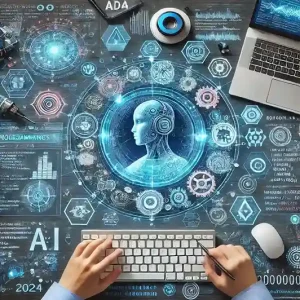
a. Artificial Intelligence (AI): AI plays a crucial role in smart advertising by enabling machines to analyze vast amounts of data, extract insights, and make intelligent decisions. AI algorithms can analyze customer data, predict behavior patterns, and recommend personalized advertisements.
b. Data Analytics: Smart advertising heavily relies on data analytics to process and analyze large volumes of structured and unstructured data. This includes customer demographics, online behavior, purchase history, social media interactions, and more. By extracting actionable insights, advertisers can create targeted campaigns that resonate with their audience.
c. Automation: Automation simplifies the process of delivering personalized advertisements at scale. Smart advertising platforms can automate tasks such as ad placement, content creation, and audience segmentation, allowing advertisers to focus on strategy and creativity.
- Benefits of Smart Advertising:
a. Enhanced Targeting: By leveraging data-driven insights, smart advertising enables advertisers to target specific audiences with precision. This leads to higher conversion rates, increased customer engagement, and improved return on investment (ROI).
b. Improved Customer Experience: Smart advertising delivers personalized and relevant content to users, enhancing their overall experience. This personalized approach fosters customer loyalty, increases brand trust, and drives repeat business.
c. Cost Efficiency: Smart advertising optimizes ad spend by targeting the right audience at the right time. By eliminating wasted impressions and focusing on high-value prospects, advertisers can maximize their marketing budget and achieve better results.
- Challenges and Considerations:
a. Data Privacy: Smart advertising relies on collecting and analyzing vast amounts of user data, raising concerns about privacy and data protection. Advertisers must ensure compliance with relevant regulations and adopt transparent practices to build trust with consumers.
b. Ethical Considerations: The use of AI and personalization in advertising raises ethical questions. Advertisers must strike a balance between personalization and respecting user boundaries to avoid intrusive or manipulative practices.
c. Adapting to Technological Changes: Smart advertising is an ever-evolving field. Advertisers need to stay updated with emerging technologies, algorithms, and platforms to leverage their full potential effectively.
- The Future of Smart Advertising:
Smart advertising is poised to transform the marketing landscape. As technology continues to advance, we can expect even more sophisticated AI-driven advertising solutions. The integration of technologies like augmented reality (AR), virtual reality (VR), and Internet of Things (IoT) will further enhance personalization and interactivity in advertising campaigns.
Conclusion:
Smart advertising represents a significant shift in the way marketers engage with their target audience. By leveraging AI, data analytics, and automation, advertisers can deliver personalized, targeted, and optimized campaigns that resonate with consumers. While challenges exist, smart advertising has the potential to revolutionize marketing, creating more meaningful connections between brands and customers in the digital age.