



Introduction
The most popular programming languages for AI [artificial intelligence] development are reshaping industries, driving innovation, and solving complex problems. Choosing the right programming language is crucial for developing efficient AI models. In this article, we’ll explore the most popular programming languages for AI and why they are widely used in the field.
Python: The King of AI Programming Languages
Python is undeniably the most popular language for AI development. With its simplicity and a vast ecosystem of libraries like TensorFlow, PyTorch, and Scikit-learn, Python makes AI development accessible to beginners and professionals alike. Python’s key features include:
- Easy-to-read syntax
- Extensive community support
- Libraries for machine learning and data analysis
Python is ideal for tasks such as natural language processing, computer vision, and predictive analytics.
R: The Statistical Powerhouse
R is a programming language designed for statistical analysis and data visualization. Its ability to handle large datasets and its strong library ecosystem make it a top choice for AI researchers and data scientists. Key libraries like caret, randomForest, and e1071 allow developers to implement machine learning algorithms efficiently.
R is especially popular in academic and research settings where statistical modeling is crucial.
Java: The Enterprise Favorite
Java is a robust, object-oriented programming language that has been a staple in enterprise-level applications for decades. Its portability and scalability make it suitable for developing AI-powered systems that require real-time data processing. Frameworks like Weka, Deeplearning4j, and MOA are frequently used in AI projects.
Java’s ability to integrate with large-scale systems ensures its relevance in AI development.
Guide to Writing Prompts for AI Image Generation [2024]
Julia: The Newcomer
Julia is gaining traction in the AI community due to its speed and high-performance capabilities. Designed for numerical and scientific computing, Julia combines the ease of Python with the speed of C++. Libraries like Flux.jl and MLJ.jl enable developers to create efficient machine learning models.
Julia’s niche lies in high-performance computing tasks such as optimization and large-scale simulations.
C++: The Performance Leader
When performance is critical, C++ is the language of choice. It provides fine-grained control over system resources, making it ideal for developing AI applications that require speed, such as game development and robotics. Libraries like TensorRT and Dlib leverage C++ for deep learning and computer vision tasks.
Although challenging to learn, C++ rewards developers with unparalleled performance.
Secondary Keywords in AI Programming
In addition to the main languages discussed, there are other programming tools worth considering:
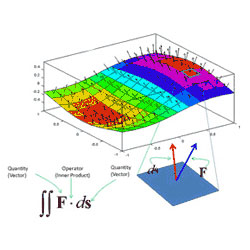
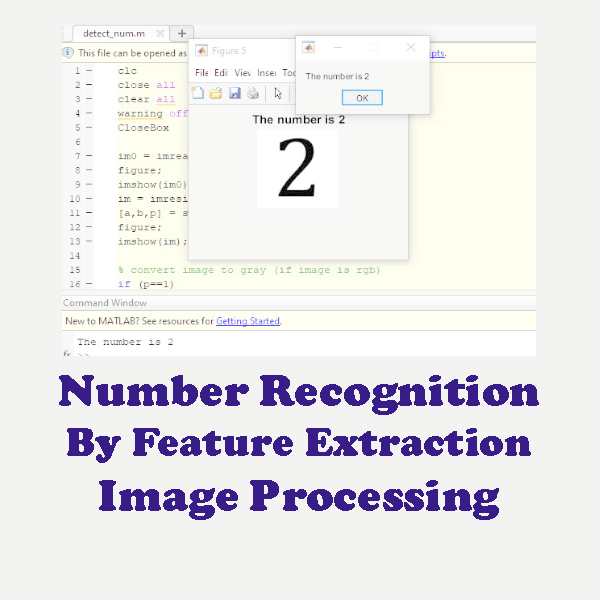
- MATLAB: Popular for mathematical modeling and simulations.
- Prolog: Used in logic programming and expert systems.
- LISP: Known for its role in early AI research.
Choosing the Right Programming Language for Your AI Project
The choice of programming language depends on your project’s requirements, team expertise, and available resources. For instance:
- Use Python for general AI development and rapid prototyping.
- Opt for R if your focus is on statistical analysis and visualization.
- Choose C++ for performance-critical applications.
Conclusion
Selecting the right programming language is a foundational step in AI development. Python’s versatility, R’s statistical prowess, and C++’s performance capabilities cater to diverse AI needs. By understanding the strengths of these languages, developers can optimize their projects for success.
Whether you’re a beginner or an experienced programmer, leveraging these languages will enable you to harness the full potential of artificial intelligence.
Frequently Asked Questions
What is the best programming language for beginners in AI?
Python is the best programming language for beginners in AI due to its simple syntax and extensive library support. It allows new developers to quickly implement machine learning algorithms and understand core concepts.
Why is C++ used in AI if it is hard to learn?
C++ is used in AI when performance is a critical factor, such as in robotics and real-time systems. Its ability to manage resources efficiently makes it indispensable for high-speed applications.
Can I use Java for AI development?
Yes, Java is widely used for AI development, especially in enterprise settings. Its scalability and frameworks like Weka and Deeplearning4j make it suitable for large-scale AI projects.
Is Julia better than Python for AI?
Julia excels in high-performance tasks and numerical computing, making it a strong choice for simulations and optimizations. However, Python remains more versatile and widely adopted for general AI tasks.
What role does R play in AI?
R is primarily used for statistical analysis and data visualization, making it ideal for projects focused on data exploration and statistical modeling.
For resources, visit: